
Defining Features of Class A Buildings: What Sets Them Apart?

When you think about commercial real estate, the term Class A buildings often comes up. But what exactly makes a building earn this prestigious designation?
Having spent much of my career designing workplace environments—including serving as Design Manager for the amenity transformation at Chicago's 71 South Wacker while at Gensler—I've seen firsthand how the definition of a Class A building has evolved beyond location and aesthetics. Today, the most successful Class A properties combine premium locations, modern infrastructure, thoughtfully designed amenities, and exceptional tenant experiences.
Whether you're a business owner, commercial tenant, investor, or simply curious about what makes a building stand out, this post will walk you through the defining features of Class A buildings.
Let's get started!
What Makes Class A Buildings Special?
Class A buildings are the crème de la crème of commercial real estate. Think of them as the luxury sedans of office spaces - sleek, reliable, and packed with premium features. But beyond just looking good, these buildings offer a combination of location, design, and amenities that make them highly desirable.
Here’s what typically sets Class A buildings apart:
Prime Location: These buildings are usually situated in the heart of business districts or prestigious neighborhoods. Accessibility is key, with proximity to public transportation, major highways, and essential services.
Modern Architecture and Design: Expect cutting-edge design, high-quality materials, and a visually appealing facade. The interiors are often spacious, with plenty of natural light and thoughtful layouts.
State-of-the-Art Systems: From HVAC to elevators, everything is top-notch and regularly maintained. Energy efficiency and smart building technologies are common.
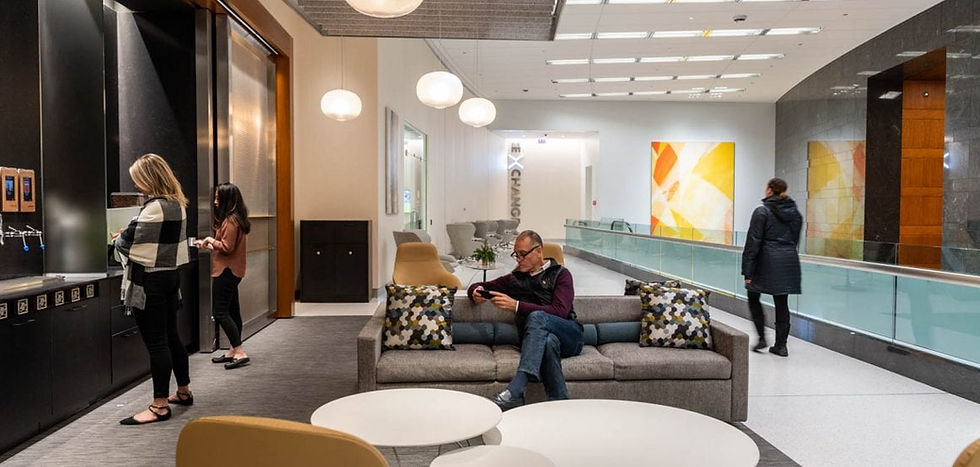
Amenities: Think fitness centers, conference rooms, cafés, and sometimes even rooftop terraces. One example is 71 South Wacker in Chicago, where the workplace experience extends beyond the office itself. The building features The Exchange, a hospitality-inspired amenity floor with lounge spaces, food and beverage offerings, meeting areas, concierge services, and wellness-focused amenities designed to support both productivity and employee wellbeing.

71 South Wacker, Chicago, IL: KINETIC® fitness center is part of the building's hospitality-inspired amenity program, supporting tenant wellness and contributing to a more engaging workplace experience. Professional Management: A dedicated team ensures the building is clean, secure, and well-maintained at all times.

71 South Wacker, Chicago, IL: Designed as part of the building's broader amenity transformation, the Irvine Company Management Office supports a hospitality-inspired tenant experience through personalized service and on-site engagement.
Increasingly, Class A buildings are evaluated not only by their location and infrastructure, but by the experience they provide tenants. Hospitality-inspired amenities, wellness offerings, flexible meeting spaces, premium food and beverage programs, and thoughtfully designed common areas help create workplaces that employees want to return to and employers are proud to offer.
Why Location is the Heartbeat of Class A Buildings
You might be wondering why location gets such a starring role in the Class A story. Well, it’s simple: location drives value. A building in a bustling downtown area or a prestigious business hub automatically gains a competitive edge.
For example, a Class A building in the Chicago Loop, New York City’s Financial District or San Francisco’s SoMa neighborhood offers tenants more than just office space. It provides access to clients, partners, and a vibrant ecosystem of businesses. This convenience translates into higher rents and better tenant retention.

But location isn’t just about prestige. It’s about practical benefits like:
Easy access to public transit and parking
Nearby dining and retail options for employees
Safe and well-lit surroundings
Opportunities for networking and collaboration
When you’re choosing a space, think about how the location will support your daily routine and long-term goals. A great location can make your workday smoother and your business more visible.
What is the difference between Class A and Class B Buildings?
If you’re eyeing commercial spaces in downtown Chicago, you’ve probably heard about Class A and Class B buildings. The distinction can be subtle but important.
Class A buildings in Chicago are typically newer or recently renovated properties with high-end finishes, modern mechanical systems, and prime locations. They often feature impressive lobbies, advanced security, and amenities like fitness centers or conference facilities.
On the other hand, Class B buildings might be older structures with fewer amenities and less modern infrastructure. They’re usually well-maintained but don’t have the same level of prestige or cutting-edge features. Location can vary, but Class B buildings are often found in secondary business districts or less central areas.
Here’s a quick comparison:
Class A Buildings | Class B Buildings | |
Age & Condition | New or recently renovated | Older, may require updates |
Location | Prime business districts | Secondary locations |
Design & Finishes | Premium materials and modern aesthetics | Functional, less refined finishes |
Building Systems | Advanced, energy-efficient systems | Older but functional systems |
Amenities | Fitness centers, lounges, cafés, conference facilities | Limited amenities |
Management | Professional on-site management | Standard property management |
Rental Rates | Higher | More affordable |
Typical Tenant | Corporate, professional, and enterprise users | Small businesses and value-focused tenants |
Understanding these differences helps you make an informed choice based on your budget and business needs.
The Role of Sustainability and Technology in Class A Buildings
One of the most exciting trends in Class A buildings is the integration of sustainability and smart technology. These buildings don’t just look good; they’re designed to be kind to the environment and efficient to operate.
For instance, many Class A buildings now feature:
LEED Certification: This green building certification ensures the property meets strict environmental standards.
Energy-efficient lighting and HVAC systems: These reduce energy consumption and lower operating costs.
Smart Building Systems: Automated controls for lighting, temperature, and security improve comfort and safety.
Water-saving fixtures and waste reduction programs: These contribute to sustainability goals.
If you care about reducing your carbon footprint or want a workspace that supports wellness, these features are a big plus. Plus, tenants often enjoy lower utility bills and a healthier environment.

How Interior Design Elevates Class A Buildings
Now, let’s talk about something close to my heart - interior design. The inside of a Class A building isn’t just functional; it’s crafted to inspire and support productivity.
Here’s what you can expect inside:
Open, flexible floor plans: These allow for customization and encourage collaboration.

CBRE, Oak Brook, Illinois: An open workplace environment with strategically positioned collaboration tables that foster connectivity, transparency, and employee interaction. High-quality finishes: Think natural stone surfaces, custom millwork, designer lighting, premium wallcoverings, and carefully curated material palettes. At 71 South Wacker, for example, natural marble countertops were incorporated into the restrooms, while textured wallcoverings enhanced the elevator lobbies and corridors—demonstrating how thoughtful material selections can elevate common areas and contribute to a premium tenant experience.

CBRE, Oak Brook, Illinois: Custom walnut paneling and hardwood flooring establish a refined arrival experience while reinforcing the firm's professional brand identity. Comfort and acoustics: Soundproofing and ergonomic furniture make the environment pleasant.
Art and aesthetics: Many Class A buildings incorporate artwork and thoughtful decor to create a soulful atmosphere. In projects like 71 South Wacker, we approached workplace amenities with a hospitality mindset, designing spaces that encouraged employees to gather, recharge, collaborate, and connect throughout the day. The goal was to create destinations people genuinely wanted to use—not simply pass through on their way to the office.
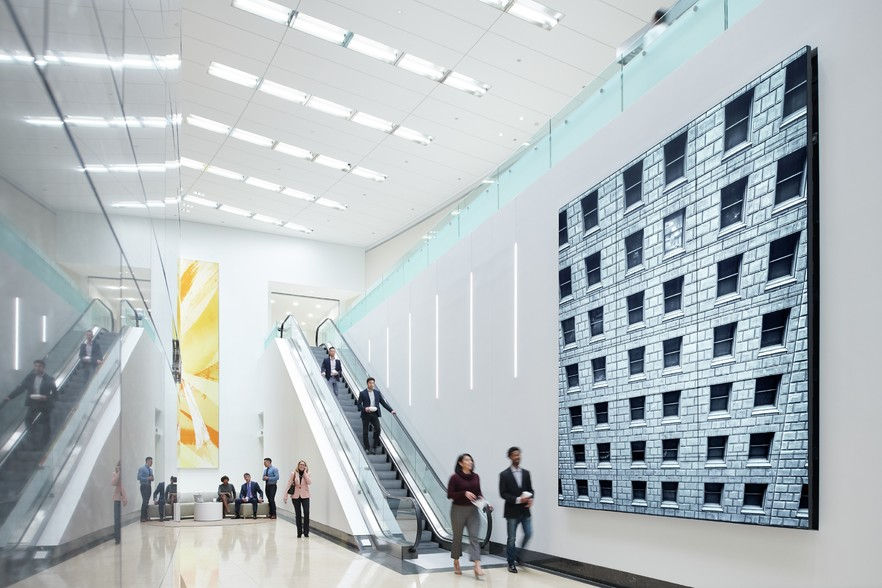
71 South Wacker, Chicago, IL: Large-scale artwork and LED display panels showcasing rotating digital art elevate the tenant experience and reinforce the building's hospitality-inspired approach to workplace design.
If you’re looking to create a workspace that feels both professional and welcoming, these design elements are essential. They help set the tone for your business and make a great impression on clients and employees alike.
Why Investing in a Class A Commercial Building in Chicago Makes Sense
You might be asking yourself, “Is it worth it to invest in a Class A commercial building?” From my experience, the answer is a resounding yes - especially if you value long-term stability and prestige.
Here’s why:
Higher rental income: Tenants are willing to pay a premium for quality and location.
Lower vacancy rates: These buildings attract reputable tenants who stay longer.
Better resale value: The demand for Class A properties remains strong.
Enhanced brand image: Occupying a Class A space reflects well on your business.
Future-proofing: Modern systems and sustainability features reduce the need for costly upgrades.
Of course, the initial investment might be higher, but the benefits often outweigh the costs. Plus, with the right design and management, these buildings can become landmarks in their communities.
Creating Your Own Soulful and Functional Space
Whether you’re leasing or owning, the key to making the most of a Class A building is thoughtful design. At Adina Hall Design, we believe that spaces should be soulful, timeless, and highly functional. That means blending artistic vision with architectural precision to create environments that truly support your lifestyle and work.
Here are a few tips to keep in mind:
Prioritize natural light: It boosts mood and productivity.
Choose flexible furniture: Adaptable layouts keep your space future-ready.
Incorporate personal touches: Art, plants, and textures make the space feel alive.
Focus on quality finishes: They stand the test of time and elevate your environment.
Plan for technology: Ensure your space supports the latest tools and connectivity.
By investing in design as much as in the building itself, you create a space that’s not just impressive but also deeply satisfying to work in.
I hope this deep dive into the defining features of Class A buildings has given you a clearer picture of what makes these properties so special. Remember, it's not just about impressive architecture or premium amenities—it's about creating environments that support productivity, wellbeing, and long-term success.
If you're ready to elevate your workplace, commercial property, or tenant experience through thoughtful architecture and interior design, our team would love to help. At Adina Hall Design, we combine architectural expertise with a deep understanding of how people work, connect, and thrive within a space.
Contact us today to discuss your next project.


Comments