
Renovating a Victorian Farmhouse: Breathing New Life Into a Historic Gem

Updated: Jan 9
Renovating a Victorian farmhouse is equal parts love story and puzzle. These homes hold layers of history — tall windows that once framed prairie sunsets, original woodwork carved by hand, and quirks that only time can create. But updating one for modern living takes more than a coat of paint. It takes vision, respect for craftsmanship, and a plan that balances beauty with practicality. If you’ve fallen for a Victorian (and who could blame you?), here’s how to revive its soul while making it truly yours.
Why Victorian Farmhouses Are Worth the Effort
There’s something deeply romantic about Victorian architecture — the gables, wrap-around porches, and intricate millwork whisper of another era. In Chicago and the surrounding suburbs, these homes often sit on tree-lined streets, surrounded by stories of generations past. But with that charm comes a few… surprises. Uneven floors, tiny kitchens, and questionable wiring can be daunting. The secret is to preserve what gives the house character while introducing the comfort, flow, and function today’s families need.
At Adina Hall Design, we often start with what not to change — like original hardwood floors, window casings, or pocket doors — then design modern layers around those heritage details. It’s about giving the past a seat at the table without letting it run the show.

How to Start: From Assessment to Vision
Before you start sketching floor plans or picking tile, begin with a professional assessment. We always start our Feasibility Study here — an in-depth look at what’s structurally possible, what the investment might look like, and how to align design goals with existing conditions.
Assess the Structure: Have your architect or designer (hi 👋) evaluate the foundation, roof, plumbing, and electrical. These older homes can hide costly surprises.
Rework the Layout Thoughtfully: Victorian homes tend to be compartmentalized. Opening up the kitchen to the dining room can dramatically improve flow, but it’s important to preserve trim details, transom windows, and ceiling medallions where possible.
Select Materials with Intention: Choose finishes that nod to the past but perform for the present. Think: unlacquered brass hardware, marble-look quartz countertops, and durable oak flooring with a matte finish.
Improve Energy Efficiency: Insulate walls, upgrade windows, and modernize HVAC systems to make the home comfortable year-round without losing historic charm.

The Art of Blending Old and New in a Victorian Farmhouse Renovation
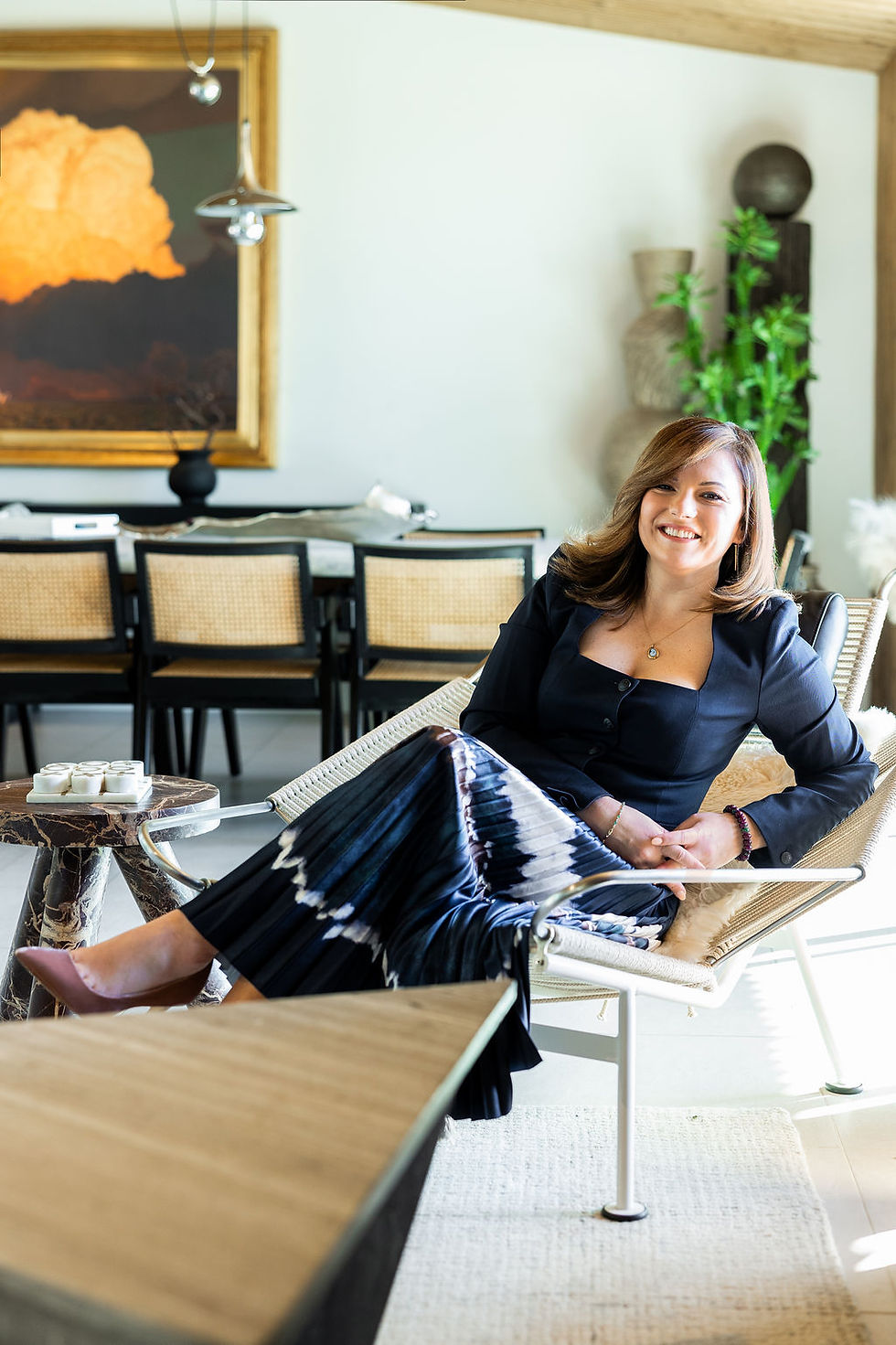
The magic happens when you layer history with a fresh perspective. I love mixing rough-hewn beams with clean plaster walls or pairing a vintage chandelier with sculptural modern chairs. The tension between eras creates depth — and that’s what makes a home feel collected, not “decorated.” Some of our favorite ways to merge eras include:
Keep the story visible: Refinish, don’t replace, the original floors. Their imperfections tell your home’s history.
Add subtle contrast: Paint trim in a warm neutral instead of stark white to soften transitions.
Light with intention: Choose modern fixtures that feel sculptural but timeless, grounding ornate spaces in today’s world.

Common Challenges (and How to Solve Them)
Let’s be real — old homes test your patience. But with the right approach, you can navigate surprises gracefully. Here are some common challenges and solutions:
Outdated systems: Assume you’ll replace plumbing and electrical; this isn’t the place to cut corners.
Lead paint or asbestos: Hire certified professionals for abatement before any demo begins.
Budget surprises: Build in a 15–20% contingency. These homes love to reveal secrets.
Preservation vs. practicality: Know where to splurge (millwork, flooring) and where to modernize (insulation, mechanicals).
Personalizing Your Victorian Farmhouse
After the dust settles, the real joy begins — making it feel like you. Maybe it’s a breakfast nook flooded with morning light or a built-in bench that hides a century-old radiator. Perhaps it’s your grandmother’s armoire finding a new home in a serene, plaster-walled bedroom.

Design is personal. That’s what turns a restoration into a reawakening.
Ready to Begin Your Own Revival?
Every successful renovation starts with clarity. Our Feasibility Study helps homeowners understand what’s possible before committing to a full design plan — from structural realities to budget alignment and creative direction.
Feel free to book a Complimentary Design Consultation here: https://calendly.com/adinahalldesign/complimentary-design-consultation
During this strategic session, we’ll talk through your goals, timeline, and vision for your historic home — so we can help you bring it to life beautifully and seamlessly.
Conclusion: Embrace the Journey
Renovating a Victorian farmhouse is not just about the end result; it’s about the journey. Each decision you make adds to the story of your home. Embrace the process, enjoy the surprises, and let your creativity shine. Remember, this is your chance to create a space that reflects your personality while honoring the past.
Design by Adina Hall Design | Chicago, IL

Comments